Walk into a home that stays warm during cold seasons and cool during hot weather, and you may not immediately notice what makes that comfort possible. The secret often lies behind the walls and above the ceilings where insulation works quietly to maintain stable indoor temperatures. Insulation plays a critical role in reducing energy loss and keeping living spaces comfortable throughout the year.
Among the many insulation options available, blown fiberglass insulation has become a widely used solution for improving energy efficiency in residential buildings. Understanding how blown fiberglass insulation works can help homeowners make informed decisions when upgrading or improving their homes. Contact the expert at Ultimate Radiant Barrier for more details about insulation.
Understanding Blown Fiberglass Insulation
Blown fiberglass insulation is a type of loose fill insulation made from fine glass fibers. The material is designed to be installed using specialized equipment that blows the fibers into attics, wall cavities, and other spaces within a building structure.
Unlike traditional insulation batts or rolls, blown fiberglass insulation does not come in solid sheets. Instead, it is applied as loose material that fills spaces evenly. This installation method allows the insulation to settle into gaps and irregular areas that might otherwise remain unprotected.
The fiberglass material used in this insulation is made by melting glass and spinning it into thin fibers. These fibers create tiny pockets of air that help slow the movement of heat through walls and ceilings.
Because the fibers are lightweight and flexible, blown fiberglass insulation can reach areas that may be difficult to access with other types of insulation. This ability to fill small spaces makes it an effective solution for improving the thermal performance of a home.
By forming a thick blanket of insulating material, blown fiberglass helps create a barrier that reduces heat transfer between the interior and exterior of the home.
How Blown Fiberglass Insulation Improves Energy Efficiency
Energy efficiency is one of the main reasons homeowners choose blown fiberglass insulation. Heating and cooling systems work hardest when conditioned air escapes through poorly insulated areas of a building.
Blown fiberglass insulation helps reduce this problem by creating a consistent layer of thermal protection. The tiny air pockets trapped within the fiberglass fibers slow down the movement of heat through the structure.
During colder months, this insulation helps keep warm air inside the home. In warmer months, it helps prevent heat from entering through the roof or walls. By limiting heat transfer, the insulation supports more stable indoor temperatures.
When temperature loss is reduced, heating and cooling systems do not need to operate as frequently. This can lead to improved energy efficiency and reduced energy consumption.
Proper insulation also helps prevent uncomfortable temperature differences between rooms. Homes that are well insulated often feel more balanced and comfortable throughout the entire living space.
These benefits make blown fiberglass insulation a practical choice for homeowners seeking improved energy performance.
The Installation Process for Blown Fiberglass Insulation
The installation process for blown fiberglass insulation involves several steps designed to ensure even coverage and proper insulation depth. The process usually begins with a careful inspection of the area that will receive insulation.
Before installation, the space may be prepared by sealing air leaks around vents, wiring, or other openings. Air sealing helps maximize the effectiveness of the insulation by preventing unwanted airflow.
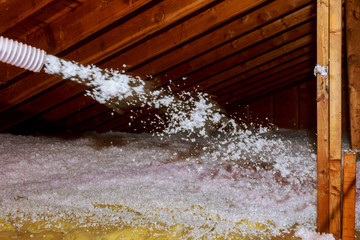
Once preparation is complete, the fiberglass insulation is loaded into a blowing machine. This equipment breaks the insulation into loose fibers and propels them through a hose into the desired space.
The installer directs the hose across the area while applying the insulation in an even layer. In attic installations, the insulation is spread across the entire attic floor to create a uniform blanket of coverage.
For wall installations, small openings may be created so that the insulation can be blown into the cavity between wall studs. After the insulation is installed, the openings are sealed again.
The installation process allows the fiberglass material to settle around pipes, wiring, and structural components, ensuring that the space is fully insulated.
Areas of the Home Where Blown Fiberglass Is Commonly Used
Blown fiberglass insulation is commonly used in several areas of the home where heat loss is most likely to occur. One of the most common locations for installation is the attic.
Attics are often responsible for significant energy loss because warm air rises and escapes through the roof. Adding a thick layer of blown fiberglass insulation in the attic helps prevent this heat loss.
Wall cavities are another location where blown fiberglass insulation can improve energy efficiency. When insulation is added to exterior walls, it reduces the movement of heat between indoor and outdoor environments.
Crawl spaces and basements may also benefit from improved insulation. These areas can allow cold air to enter the home if they are not properly insulated.
Blown fiberglass insulation can also be used in certain renovation projects where existing insulation needs to be upgraded or supplemented. Because the material can be installed through small openings, it is often suitable for retrofitting older homes.
By applying insulation in key areas, homeowners can improve comfort throughout the entire house.
Benefits of Blown Fiberglass Insulation
Blown fiberglass insulation offers several advantages that contribute to its popularity in residential construction and renovation. One of the most important benefits is its ability to fill irregular spaces.
Because the insulation is applied as loose fibers, it can easily settle into corners, gaps, and small cavities. This helps eliminate areas where heat could escape.
Another benefit is its lightweight nature. The material adds insulation without placing excessive weight on ceilings or attic structures.
Blown fiberglass insulation is also known for its fire resistant properties. The glass fibers used in the insulation are noncombustible, which contributes to improved safety within the home.
The insulation also helps reduce noise transmission between rooms. The dense layer of fibers can absorb sound and create a quieter indoor environment.
Additionally, blown fiberglass insulation can be installed relatively quickly compared to some other insulation methods. This efficiency makes it a practical option for both new construction and existing homes.
Maintaining Insulation Performance Over Time
Although blown fiberglass insulation is designed to remain effective for many years, maintaining proper conditions within the home helps preserve its performance.
Periodic inspections of the attic or insulated spaces allow homeowners to check for signs of disturbance or compression. Heavy storage items should not be placed directly on insulation because they may compress the fibers.
Keeping the attic dry is also important. Moisture can affect insulation performance and may lead to other issues within the structure.
Maintaining proper ventilation helps control humidity levels and supports the long term stability of insulation materials.
If insulation becomes uneven due to settling or renovation work, additional insulation can be added to restore the desired coverage.
By monitoring the condition of insulation and maintaining a dry environment, homeowners can ensure that blown fiberglass insulation continues to perform effectively.
Conclusion: The Value of Blown Fiberglass Insulation in Modern Homes
Blown fiberglass insulation plays a vital role in improving energy efficiency and comfort within residential buildings. Its ability to fill irregular spaces and create a consistent thermal barrier makes it an effective solution for reducing heat loss.
Through proper installation and maintenance, blown fiberglass insulation helps stabilize indoor temperatures, reduce energy consumption, and create a more comfortable living environment. It also contributes to sound reduction and improved safety within the home.
For homeowners seeking a reliable insulation solution, blown fiberglass offers a practical combination of performance, flexibility, and durability. When installed correctly, it supports long term comfort and energy efficiency while helping protect the home from unnecessary heat loss.