Understanding Circuit Breakers: Protection for Your Home and Devices

Electricity powers nearly every aspect of modern living, from lighting and kitchen appliances to entertainment systems and advanced home offices. Behind the walls of every residential and commercial property lies a carefully designed electric system working continuously to distribute power safely and efficiently. At the heart of that system is a small but critical component: the circuit breaker. Understanding circuit breakers is essential for homeowners and business owners who want to protect their property, prevent electrical fires, and safeguard valuable devices.
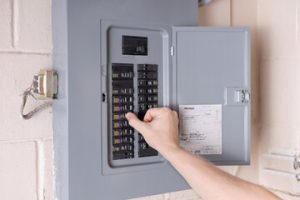
electrical

A circuit breaker is a safety device designed to automatically interrupt electrical flow when it detects an overload, short circuit, or fault. Without circuit breakers, excessive current could travel through wiring unchecked, causing overheating, equipment damage, or even fire. In essence, circuit breakers act as guardians of your electrical system, stepping in instantly when something goes wrong. While they may seem simple on the surface, their role in maintaining electrical safety is both complex and indispensable.

To fully appreciate how circuit breakers protect your home and devices, it is important to understand how electricity behaves within a circuit. Electrical current flows through wiring to power outlets, lighting fixtures, and appliances. Each circuit is designed to handle a specific amount of electrical load. When the demand exceeds that capacity—such as when multiple high-powered devices run simultaneously—the wiring can overheat. A circuit breaker monitors this flow and trips when current surpasses safe levels, cutting off power before damage occurs.

Several common scenarios cause circuit breakers to trip. Overloaded circuits are one of the most frequent causes. This happens when too many devices draw power from the same circuit, exceeding its capacity. Short circuits are another serious issue. These occur when a hot wire comes into contact with a neutral or ground wire, creating a sudden surge of electrical current. Ground faults, often associated with moisture or damaged insulation, also trigger breakers to prevent shock hazards.

Understanding the primary functions of circuit breakers helps clarify their importance:

  1. Prevent overheating of electrical wiring
  2. Protect appliances and electronic devices from damage
  3. Reduce the risk of electrical fires
  4. Minimize shock hazards within the property

Each of these functions contributes to a safer and more reliable electrical system. Without circuit breakers, even minor electrical irregularities could escalate into major emergencies.

Modern electrical panels typically house multiple circuit breakers, each responsible for a specific area or function within the building. For example, one breaker may control kitchen outlets, while another manages lighting circuits. Larger properties may include dedicated breakers for high-demand appliances such as air conditioning units or water heaters. This segmentation allows for targeted protection and easier troubleshooting when issues arise.

Circuit breakers come in different types, each designed for specific applications. Standard single-pole breakers are common in residential systems and protect individual circuits. Double-pole breakers handle larger loads and are often used for heavy-duty appliances. Specialized breakers, such as ground fault circuit interrupters (GFCIs) and arc fault circuit interrupters (AFCIs), provide enhanced safety features. GFCIs protect against shock by detecting ground faults, while AFCIs identify dangerous arcing conditions that could lead to fires.

For homeowners, recognizing signs of circuit breaker issues is essential. Frequent breaker trips may indicate overloaded circuits or underlying wiring problems. Breakers that fail to reset properly could signal internal wear or damage. In some cases, a burning smell near the electrical panel or visible scorch marks may point to serious electrical faults. Prompt attention to these warning signs helps prevent more extensive damage.

Upgrading circuit breakers is sometimes necessary, particularly in older properties. As electrical demands increase with modern technology, existing panels may struggle to handle additional load. An outdated breaker panel with limited capacity can lead to repeated overloads and reduced safety margins. Upgrading to a higher-capacity panel ensures that the electrical system can accommodate contemporary appliances and electronics without strain.

There are several benefits to upgrading your circuit breaker panel:

  1. Increased electrical capacity for modern devices
  2. Improved safety with updated breaker technology
  3. Enhanced reliability and reduced nuisance trips
  4. Better support for future home expansions or renovations

Investing in an upgraded panel not only enhances safety but also improves overall system performance.

Maintenance plays a crucial role in ensuring that circuit breakers continue to function effectively. Although breakers are designed for durability, they are mechanical devices subject to wear over time. Routine inspections of the electrical panel help identify loose connections, corrosion, or signs of overheating. Keeping the panel area clean and free of dust reduces the risk of internal component damage.

Testing breakers periodically is another proactive step. While homeowners should avoid handling internal components without proper training, observing how breakers respond when reset can provide insight into their condition. If a breaker feels unusually loose or fails to remain in the “on” position, professional evaluation is recommended.

Circuit breakers also protect sensitive electronics from electrical fluctuations. Power surges, whether caused by internal load changes or external factors, can damage computers, televisions, and other valuable devices. While whole-building surge protection offers additional defense, circuit breakers serve as the first line of protection against excessive current. Their rapid response helps limit damage and preserve the lifespan of connected equipment.

In commercial environments, circuit breakers are even more critical. Businesses rely on consistent electrical performance to maintain productivity and protect equipment investments. Downtime caused by electrical faults can result in financial losses and operational disruptions. Properly sized and maintained circuit breakers ensure stable power distribution and reduce the likelihood of unexpected shutdowns.

Load balancing is an important consideration in both residential and commercial systems. Uneven distribution of electrical demand across circuits can cause certain breakers to trip more frequently. During electrical system evaluations, professionals assess load distribution to ensure balanced performance. This process may involve redistributing circuits within the panel or adding additional breakers to relieve strain.

Safety should always be the top priority when dealing with circuit breakers. Attempting to bypass a tripping breaker or replacing it with one of higher amperage without proper evaluation can create dangerous conditions. Breakers are carefully matched to wiring capacity, and increasing amperage without upgrading wiring can lead to overheating and fire risks. Professional assessment ensures that any modifications are safe and code-compliant.

Understanding the relationship between circuit breakers and overall electrical system design is key to maintaining long-term reliability. Wiring, outlets, panels, and breakers work together as an integrated system. When one component fails, it can impact the entire network. Routine inspections, timely upgrades, and professional guidance help preserve this balance.

As homes and businesses continue to incorporate smart devices and advanced technologies, electrical demand will only increase. Electric vehicle chargers, home automation systems, and high-performance appliances require a robust electrical infrastructure. Circuit breakers must be properly rated to handle these additional loads. Planning for future electrical needs prevents strain and enhances system longevity.

Education is a powerful tool for property owners. Knowing how to identify the electrical panel, understand breaker labeling, and recognize signs of trouble empowers individuals to respond quickly when issues arise. Clear labeling of circuits simplifies troubleshooting and reduces confusion during emergencies.

In conclusion, circuit breakers are indispensable components that provide essential protection for your home and devices. They guard against overloads, short circuits, and faults, preventing fires and equipment damage. By understanding how circuit breakers function, recognizing warning signs, and investing in proper maintenance and upgrades, property owners can ensure a safer and more reliable electrical environment.

Electrical safety is not something to overlook or delay. Circuit breakers operate silently in the background, ready to act when needed. Their ability to instantly interrupt dangerous electrical conditions makes them one of the most important safeguards in any property. Prioritizing proper installation, regular inspection, and timely upgrades ensures that your electrical system remains resilient, efficient, and capable of supporting modern power demands for years to come.

Signs Your Home’s Air Ducts Need Cleaning and Why Ignoring Them Can Affect HVAC Efficiency

Many homeowners focus on maintaining visible areas of their homes, such as floors, furniture, and kitchen surfaces. While these cleaning routines help keep living spaces tidy, an important part of the home often goes unnoticed: the air duct system. Air ducts operate behind walls, ceilings, and floors, quietly circulating air throughout the house every day. Because they are hidden from view, it is easy to overlook their role in maintaining indoor comfort and air quality. However, when dust and debris accumulate inside the ductwork, it can impact both the cleanliness of indoor air and the efficiency of the heating and cooling system.

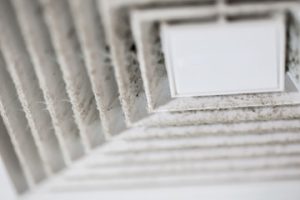
air duct cleaning

Air Duct Cleaning Salt Lake City serves as the pathways that allow conditioned air to travel from the heating and cooling system into different rooms of the home. Each time the system turns on, air flows through this network of ducts before exiting through vents and registers. While this process keeps indoor temperatures stable, it also means that any particles inside the duct system can be carried along with the airflow. Over time, dust, pet hair, pollen, and other contaminants may settle inside the ducts, gradually building up along the interior surfaces.

When buildup becomes significant, it can begin to affect how efficiently air moves through the system. Restricted airflow forces heating and cooling equipment to work harder to distribute air throughout the home. This additional strain can reduce energy efficiency and may even shorten the lifespan of the system. Recognizing the signs that air ducts need cleaning is therefore an important part of maintaining both indoor air quality and overall system performance.

One of the most noticeable signs that air ducts may need cleaning is excessive dust throughout the home. While some dust accumulation is normal in any living space, unusually frequent dust buildup can indicate that particles are circulating through the ventilation system. Homeowners may notice that surfaces become dusty again shortly after cleaning, even when windows and doors remain closed. This can occur when dust trapped inside the ducts is continuously redistributed whenever the system runs.

Another common sign involves visible debris around air vents. If dust gathers along vent covers or appears to blow out of the vents when the system starts, it may indicate that particles have accumulated inside the ductwork. Over time, these particles can be pushed through the system and released into the room. Although this may seem like a minor issue at first, it often suggests that a deeper layer of buildup exists further inside the duct network.

Unpleasant or musty odors coming from vents can also signal that the duct system requires attention. Odors may develop when dust, moisture, or organic particles collect within the ductwork. Each time the heating or cooling system operates, these smells may spread throughout the house. In some cases, odors may be particularly noticeable when the system first turns on after being inactive for a period of time. Cleaning the ducts can help remove the source of these lingering smells and improve the overall freshness of indoor air.

Another issue that homeowners sometimes experience is uneven airflow between different rooms. If certain areas of the home receive less airflow than others, it may indicate that something inside the duct system is restricting the movement of air. Accumulated dust or debris can narrow the pathways through which air travels, making it harder for the system to distribute air evenly. As a result, some rooms may feel warmer or cooler than others despite adjustments to the thermostat.

There are several key indicators that suggest air duct cleaning may be beneficial. Homeowners who observe multiple signs simultaneously may want to consider having their duct system inspected. Some of the most common warning signs include:

  1. Dust accumulating quickly on furniture and surfaces even after regular cleaning.
  2. Visible dust or debris near vent openings when airflow begins.
  3. Persistent musty or stale odors circulating through the ventilation system.
  4. Uneven airflow in different rooms despite normal system operation.
  5. Increased allergy symptoms indoors when the heating or cooling system is running.

Ignoring these warning signs may allow debris to continue accumulating within the ducts, which can gradually reduce the efficiency of the entire heating and cooling system. Even small amounts of buildup can interfere with airflow if they collect in narrow sections of ductwork or near critical components. Over time, these restrictions may cause the system to operate longer in order to maintain the desired indoor temperature.

Reduced efficiency is one of the most significant consequences of neglected air duct maintenance. When airflow becomes restricted, the system must work harder to push air through the ducts. This increased workload can result in higher energy consumption and more frequent system cycles. As the equipment operates under greater strain, wear and tear may increase, potentially leading to more frequent maintenance needs or premature system failure.

In addition to affecting efficiency, accumulated debris in air ducts can influence indoor air quality. Dust and allergens trapped inside the duct system may be circulated throughout the home whenever air flows through the vents. These particles can contribute to irritation for individuals who are sensitive to airborne allergens. While duct cleaning is not the only factor that influences indoor air conditions, removing built-up debris from the ventilation system can help reduce the number of particles circulating indoors.

Pet owners may notice duct-related issues more quickly than other households. Pet hair and dander can easily become airborne and enter the ventilation system, especially in homes where animals shed frequently. Over time, these materials may accumulate inside the ductwork along with regular dust. This buildup can contribute to odor problems and increase the amount of debris circulating through the system. Regular maintenance helps manage this accumulation and supports better airflow.

Another factor that can contribute to duct contamination is renovation or remodeling work inside the home. Construction activities often release fine particles such as dust from drywall, insulation, and other building materials. Even with careful cleanup, some of this debris may enter the ventilation system and settle within the ducts. If renovation work has recently taken place, inspecting the duct system can help ensure that these particles are not continuing to circulate through the home.

In addition to cleaning the ducts themselves, homeowners can take preventive steps to help keep the system cleaner over time. Maintaining proper filtration and household cleanliness reduces the number of particles entering the ventilation system in the first place. Some helpful preventive measures include:

  1. Replacing air filters regularly to trap dust and allergens before they enter the duct system.
  2. Vacuuming and dusting frequently to reduce airborne particles inside the home.
  3. Keeping vent covers clean and unobstructed so that airflow remains steady.
  4. Scheduling periodic system inspections to identify buildup before it becomes severe.

These preventive steps can make a noticeable difference in maintaining cleaner air ducts and supporting the efficiency of heating and cooling equipment. While routine cleaning around the home is important, maintaining the ventilation system ensures that the air circulating indoors remains as clean as possible.

Another advantage of maintaining clean air ducts is the improvement in overall system performance. When airflow moves freely through the duct network, heating and cooling systems can distribute air more evenly throughout the home. This can lead to more consistent temperatures between rooms and reduce the need for frequent thermostat adjustments. Homeowners often find that maintaining the duct system contributes to a more comfortable indoor environment overall.

Energy efficiency is another key benefit. When ducts are free from excessive debris, the heating and cooling system does not need to work as hard to maintain the desired temperature. This can help reduce energy usage and support more efficient operation throughout the year. While many factors influence energy efficiency, proper airflow is one of the most important elements of a well-functioning ventilation system.

It is important to remember that air ducts are part of a larger system that includes vents, filters, and heating or cooling equipment. When one part of this system becomes restricted by dust or debris, the entire process of air circulation can be affected. Addressing duct buildup ensures that all components work together smoothly to maintain indoor comfort.

Over time, small maintenance efforts can prevent larger issues from developing. By recognizing the signs that air ducts may need cleaning, homeowners can address potential problems before they begin to affect system performance or indoor air conditions. Ignoring these warning signs may allow debris to continue accumulating, which can gradually reduce airflow and efficiency.

Ultimately, maintaining clean air ducts supports both a healthier home environment and a more efficient heating and cooling system. The air circulating through the ducts reaches every room in the house, influencing both comfort and air quality. When the duct system is free from excessive buildup, airflow remains steady and the system can operate as intended.

Homeowners who pay attention to the condition of their air ducts are better equipped to maintain comfortable indoor conditions year-round. By addressing buildup early and maintaining proper ventilation maintenance, they help ensure that the heating and cooling system continues to perform efficiently while delivering clean, fresh air throughout the home.

DIY Pest Control: Effective Strategies for Homeowners

Keeping a home free from pests is an ongoing responsibility that requires vigilance, knowledge, and the right approach. Unwanted intruders such as insects and rodents can compromise comfort, damage property, and even pose health risks. While professional services are an option, many homeowners prefer a more hands-on approach that allows them to address issues quickly and maintain control over their living environment. With the right strategies, do-it-yourself pest control can be both effective and sustainable.

Understanding the nature of pest infestations is the first step toward managing them successfully. Pests are typically drawn to homes for three primary reasons: food, water, and shelter. Kitchens, bathrooms, basements, and attics often become hotspots because they provide easy access to these essentials. By identifying what attracts pests in the first place, homeowners can take targeted actions that not only eliminate current infestations but also prevent future ones. This proactive Pest Control Trophy Club TX mindset is key to long-term success.

pest control

One of the most effective ways to control pests is through prevention. Rather than reacting to an infestation, homeowners should focus on creating an environment that is uninviting to pests. This involves maintaining cleanliness, sealing entry points, and managing waste properly. Even small habits, such as wiping down surfaces after meals or storing food in airtight containers, can make a significant difference. Prevention reduces the likelihood of infestations and minimizes the need for more aggressive interventions later.

Equally important is identifying the type of pest you are dealing with. Different pests require different strategies, and using the wrong method can be ineffective or even counterproductive. For example, what works for ants may not work for termites or rodents. Observing behavior patterns, droppings, and damage can help determine the culprit. Once identified, homeowners can tailor their approach to target the specific pest more efficiently.

When it comes to practical DIY pest control methods, there are several proven strategies that homeowners can implement immediately:

  1. Seal Entry Points
    Pests often enter homes through small cracks, gaps, and openings around doors, windows, and utility lines. Inspecting the exterior of the home and sealing these entry points with caulk or weather stripping can significantly reduce the chances of pests getting inside. Pay close attention to areas where pipes and wires enter the home, as these are common access points.
  2. Maintain Proper Sanitation
    Cleanliness plays a critical role in pest control. Regularly taking out the trash, cleaning up food spills, and avoiding the accumulation of clutter can eliminate the resources pests rely on. Kitchens should be cleaned daily, and food should never be left exposed overnight. Proper sanitation not only deters pests but also makes it easier to spot early signs of infestation.
  3. Use Natural Repellents
    Many homeowners prefer natural solutions that are safe for both people and pets. Ingredients such as vinegar, essential oils, and baking soda can be used to repel or eliminate certain pests. For instance, a mixture of vinegar and water can disrupt scent trails left by ants, while certain essential oils can deter insects when applied strategically.
  4. Set Traps and Baits
    Traps and baits are effective tools for managing pests such as rodents and crawling insects. These devices can be placed in areas where activity is observed, allowing homeowners to monitor and control populations. It is important to follow instructions carefully and place them out of reach of children and pets to ensure safety.

Beyond these basic strategies, homeowners should also consider environmental management as part of their pest control efforts. Outdoor areas can have a direct impact on indoor pest activity. Overgrown vegetation, standing water, and improperly stored firewood can create ideal breeding grounds for pests. Keeping the yard well-maintained and eliminating potential nesting sites can significantly reduce the likelihood of pests entering the home.

Seasonal changes also influence pest behavior, making it essential to adjust strategies throughout the year. During warmer months, insects tend to be more active and may seek food and water inside the home. In colder months, rodents often look for warmth and shelter indoors. By anticipating these seasonal patterns, homeowners can implement timely measures that address potential issues before they escalate.

Another important aspect of DIY pest control is consistency. A one-time effort is rarely enough to keep pests at bay. Regular inspections, routine cleaning, and ongoing maintenance are necessary to ensure that preventive measures remain effective. Establishing a schedule for these tasks can help homeowners stay organized and proactive in their approach.

In addition to the core strategies, there are several advanced techniques that can further enhance pest control efforts:

  1. Moisture Control
    Many pests thrive in damp environments, making moisture control a crucial factor. Fixing leaks, improving ventilation, and using dehumidifiers in humid areas can make the home less attractive to pests. Basements and bathrooms should be monitored closely, as they are particularly prone to moisture buildup.
  2. Proper Food Storage
    Food should be stored in sealed containers made of durable materials. This prevents pests from accessing food sources and helps maintain freshness. Pantry items should be checked regularly for signs of infestation, and any contaminated products should be discarded immediately.
  3. Regular Waste Management
    Garbage should be disposed of frequently and stored in tightly sealed bins. Outdoor trash containers should be kept away from the home and cleaned periodically to prevent odors that attract pests. Recycling materials should also be rinsed before storage to remove residue.
  4. Routine Inspections
    Conducting regular inspections allows homeowners to detect early signs of pest activity. This includes checking for droppings, gnaw marks, nests, and unusual odors. Early detection makes it easier to address issues before they become severe.

While DIY methods can be highly effective, it is important to recognize their limitations. Some infestations may be too extensive or complex to handle without professional assistance. In such cases, seeking expert help can prevent further damage and ensure that the problem is resolved thoroughly. Knowing when to escalate the situation is a critical component of responsible home maintenance.

Safety should always be a priority when implementing pest control measures. Even natural solutions should be used with caution, as improper application can lead to unintended consequences. Reading instructions, using protective gear when necessary, and keeping products out of reach of children and pets are essential practices. A careful and informed approach ensures that pest control efforts do not compromise the well-being of household members.

Education and awareness also play a significant role in successful pest management. Homeowners who take the time to learn about common pests, their habits, and effective control methods are better equipped to handle challenges as they arise. Reliable information can guide decision-making and help avoid common mistakes that may worsen the situation.

Long-term success in DIY pest control depends on a combination of prevention, action, and maintenance. By addressing the root causes of infestations and implementing consistent strategies, homeowners can create an environment that is both comfortable and pest-free. This holistic approach not only resolves current issues but also builds resilience against future problems.

Ultimately, DIY pest control empowers homeowners to take charge of their living spaces. With the right knowledge and tools, it is possible to manage pests effectively without relying solely on external services. The key lies in understanding the dynamics of infestations, applying targeted solutions, and maintaining a proactive mindset. By doing so, homeowners can protect their property, safeguard their health, and enjoy greater peace of mind.

In a world where home maintenance is increasingly important, mastering the basics of pest control is a valuable skill. It not only enhances the quality of life but also contributes to the long-term integrity of the home. With diligence and a strategic approach, DIY pest control can be a practical and rewarding endeavor for any homeowner.