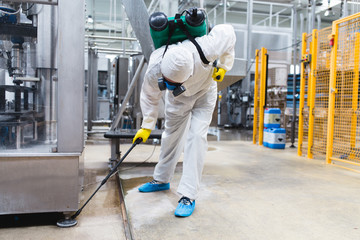
Commercial Pest Control Guide: Protecting Businesses from Infestations and Health Risks

Pest Control

Imagine walking into a restaurant, office building, or retail store and noticing signs of pests. A single sighting of a cockroach, rodent, or ant colony can immediately damage a business’s reputation. Customers expect commercial environments to be clean, safe, and well maintained. When pests appear in a workplace, they can disrupt operations, create health concerns, and lead to financial losses.

This is why commercial Pest Control Fort Pierce plays such a vital role in protecting businesses, employees, and customers.

Understanding the Importance of Commercial Pest Control

Commercial pest control focuses on identifying, eliminating, and preventing pests in business environments. Unlike residential pest issues, commercial infestations can spread quickly due to the size of buildings, frequent human activity, and the presence of food or storage areas.

Businesses are responsible for maintaining sanitary conditions, especially in industries such as food service, healthcare, hospitality, and retail. The presence of pests can violate health regulations and result in fines, closures, or legal consequences.

Pests also damage property and equipment. Rodents may chew through wiring, insects can contaminate products, and termites may weaken structural components. These problems can disrupt daily operations and create unexpected expenses.

Professional commercial pest control helps businesses maintain compliance with health standards while protecting their reputation. A clean and pest free environment builds trust with customers and creates a safe workplace for employees.

Common Pests Found in Commercial Properties

Commercial buildings attract a variety of pests depending on the nature of the business and the environment. Some pests are more likely to appear in certain industries.

Rodents such as mice and rats are common in commercial spaces. They are highly adaptable and can enter buildings through small openings. Once inside, they search for food and nesting areas, often hiding behind walls or inside storage rooms.

Cockroaches thrive in warm and humid environments. They are frequently found in kitchens, food storage areas, and break rooms. These insects can contaminate surfaces and spread bacteria, which makes them particularly dangerous in food related businesses.

Ants may seem small, but they can quickly form large colonies inside commercial buildings. Food crumbs, spills, and improperly sealed containers attract ants, especially in cafeterias and kitchens.

Flies and other flying insects are also common in commercial properties. They are often drawn to waste areas, food preparation zones, and open doors. These pests can carry harmful bacteria and create an unpleasant experience for customers.

Termites pose a different type of threat by damaging wooden structures within buildings. Over time, their activity can weaken beams, flooring, and support systems.

Understanding which pests are likely to invade commercial properties helps businesses implement effective control measures.

The Commercial Pest Control Process

Effective commercial pest control involves a structured and strategic approach. The process usually begins with a detailed inspection of the property. Technicians examine both interior and exterior areas to identify signs of pest activity.

During the inspection, potential entry points such as cracks, gaps, and damaged seals are identified. Technicians also look for nesting areas, droppings, and other indicators of infestation.

After the inspection, a customized pest control plan is developed. The plan is designed based on the specific pest species, the severity of the infestation, and the layout of the building.

Treatment methods may involve targeted applications, traps, or monitoring systems. The goal is to eliminate pests while minimizing disruption to business operations.

Follow up monitoring ensures that the infestation has been resolved and that pests do not return. Regular inspections allow technicians to detect new activity early and respond quickly.

A comprehensive pest control process protects commercial spaces from recurring infestations and ensures long term results.

Preventative Pest Control Strategies for Businesses

Preventing pest infestations is often more effective than addressing problems after they occur. Businesses can take several steps to reduce the risk of pests entering their properties.

Maintaining cleanliness throughout the facility is essential. Food waste, crumbs, and spills should be cleaned promptly to avoid attracting insects and rodents. Trash containers should be sealed properly and emptied regularly.

Building maintenance also plays an important role in pest prevention. Cracks in walls, damaged doors, and gaps around windows can provide entry points for pests. Sealing these openings helps prevent unwanted access.

Proper storage practices reduce the likelihood of infestations. Food products should be stored in sealed containers and kept off the floor. Organized storage areas make it easier to detect pest activity.

Outdoor maintenance is equally important. Landscaping should be trimmed away from the building to eliminate hiding places for pests. Standing water should be removed to prevent mosquitoes and other insects from breeding.

Implementing these preventative measures reduces the risk of pest problems and supports long term control efforts.

Health and Safety Benefits of Commercial Pest Control

Pests can pose serious health risks in commercial environments. Many insects and rodents carry bacteria and pathogens that contaminate food and surfaces. This contamination can lead to foodborne illnesses and other health concerns.

For businesses in the food service industry, pest control is especially critical. Health inspections often focus on signs of pests, and violations can lead to fines or closures.

Rodents and insects can also trigger allergic reactions or respiratory problems. Cockroach allergens, for example, are known to aggravate asthma symptoms.

Beyond health concerns, pests can create safety hazards. Rodents that chew on electrical wiring increase the risk of fires. Termites weaken structural components, which may compromise building stability.

Commercial pest control helps protect employees, customers, and property by eliminating these hazards. Maintaining a pest free environment demonstrates a commitment to safety and professionalism.

Choosing Professional Commercial Pest Control Services

Selecting the right pest control provider is an important decision for any business. Experienced professionals understand the unique challenges associated with commercial properties.

Professional pest control services offer customized plans tailored to each business. They consider factors such as building size, industry requirements, and potential pest risks.

Technicians use specialized tools and treatments designed for commercial environments. These solutions are applied carefully to ensure effectiveness while maintaining safety for employees and customers.

Another advantage of professional services is ongoing monitoring. Regular inspections allow businesses to stay ahead of potential infestations and maintain consistent protection.

Working with experienced professionals provides peace of mind and ensures that pest control efforts remain effective over time.

Conclusion: Protecting Businesses Through Effective Pest Control

Commercial pest control is essential for maintaining a clean, safe, and professional business environment. Pests not only damage property but also threaten health, disrupt operations, and harm a company’s reputation.

By implementing preventative measures and working with experienced pest control professionals, businesses can reduce the risk of infestations and maintain compliance with health standards.

A well managed pest control program protects employees, customers, and property while supporting the long term success of the business. Investing in commercial pest control is not just about eliminating pests. It is about safeguarding the integrity and reputation of the workplace.

DIY Pest Control: Effective Strategies for Homeowners

Keeping a home free from pests is an ongoing responsibility that requires vigilance, knowledge, and the right approach. Unwanted intruders such as insects and rodents can compromise comfort, damage property, and even pose health risks. While professional services are an option, many homeowners prefer a more hands-on approach that allows them to address issues quickly and maintain control over their living environment. With the right strategies, do-it-yourself pest control can be both effective and sustainable.

Understanding the nature of pest infestations is the first step toward managing them successfully. Pests are typically drawn to homes for three primary reasons: food, water, and shelter. Kitchens, bathrooms, basements, and attics often become hotspots because they provide easy access to these essentials. By identifying what attracts pests in the first place, homeowners can take targeted actions that not only eliminate current infestations but also prevent future ones. This proactive Pest Control Trophy Club TX mindset is key to long-term success.

pest control

One of the most effective ways to control pests is through prevention. Rather than reacting to an infestation, homeowners should focus on creating an environment that is uninviting to pests. This involves maintaining cleanliness, sealing entry points, and managing waste properly. Even small habits, such as wiping down surfaces after meals or storing food in airtight containers, can make a significant difference. Prevention reduces the likelihood of infestations and minimizes the need for more aggressive interventions later.

Equally important is identifying the type of pest you are dealing with. Different pests require different strategies, and using the wrong method can be ineffective or even counterproductive. For example, what works for ants may not work for termites or rodents. Observing behavior patterns, droppings, and damage can help determine the culprit. Once identified, homeowners can tailor their approach to target the specific pest more efficiently.

When it comes to practical DIY pest control methods, there are several proven strategies that homeowners can implement immediately:

  1. Seal Entry Points
    Pests often enter homes through small cracks, gaps, and openings around doors, windows, and utility lines. Inspecting the exterior of the home and sealing these entry points with caulk or weather stripping can significantly reduce the chances of pests getting inside. Pay close attention to areas where pipes and wires enter the home, as these are common access points.
  2. Maintain Proper Sanitation
    Cleanliness plays a critical role in pest control. Regularly taking out the trash, cleaning up food spills, and avoiding the accumulation of clutter can eliminate the resources pests rely on. Kitchens should be cleaned daily, and food should never be left exposed overnight. Proper sanitation not only deters pests but also makes it easier to spot early signs of infestation.
  3. Use Natural Repellents
    Many homeowners prefer natural solutions that are safe for both people and pets. Ingredients such as vinegar, essential oils, and baking soda can be used to repel or eliminate certain pests. For instance, a mixture of vinegar and water can disrupt scent trails left by ants, while certain essential oils can deter insects when applied strategically.
  4. Set Traps and Baits
    Traps and baits are effective tools for managing pests such as rodents and crawling insects. These devices can be placed in areas where activity is observed, allowing homeowners to monitor and control populations. It is important to follow instructions carefully and place them out of reach of children and pets to ensure safety.

Beyond these basic strategies, homeowners should also consider environmental management as part of their pest control efforts. Outdoor areas can have a direct impact on indoor pest activity. Overgrown vegetation, standing water, and improperly stored firewood can create ideal breeding grounds for pests. Keeping the yard well-maintained and eliminating potential nesting sites can significantly reduce the likelihood of pests entering the home.

Seasonal changes also influence pest behavior, making it essential to adjust strategies throughout the year. During warmer months, insects tend to be more active and may seek food and water inside the home. In colder months, rodents often look for warmth and shelter indoors. By anticipating these seasonal patterns, homeowners can implement timely measures that address potential issues before they escalate.

Another important aspect of DIY pest control is consistency. A one-time effort is rarely enough to keep pests at bay. Regular inspections, routine cleaning, and ongoing maintenance are necessary to ensure that preventive measures remain effective. Establishing a schedule for these tasks can help homeowners stay organized and proactive in their approach.

In addition to the core strategies, there are several advanced techniques that can further enhance pest control efforts:

  1. Moisture Control
    Many pests thrive in damp environments, making moisture control a crucial factor. Fixing leaks, improving ventilation, and using dehumidifiers in humid areas can make the home less attractive to pests. Basements and bathrooms should be monitored closely, as they are particularly prone to moisture buildup.
  2. Proper Food Storage
    Food should be stored in sealed containers made of durable materials. This prevents pests from accessing food sources and helps maintain freshness. Pantry items should be checked regularly for signs of infestation, and any contaminated products should be discarded immediately.
  3. Regular Waste Management
    Garbage should be disposed of frequently and stored in tightly sealed bins. Outdoor trash containers should be kept away from the home and cleaned periodically to prevent odors that attract pests. Recycling materials should also be rinsed before storage to remove residue.
  4. Routine Inspections
    Conducting regular inspections allows homeowners to detect early signs of pest activity. This includes checking for droppings, gnaw marks, nests, and unusual odors. Early detection makes it easier to address issues before they become severe.

While DIY methods can be highly effective, it is important to recognize their limitations. Some infestations may be too extensive or complex to handle without professional assistance. In such cases, seeking expert help can prevent further damage and ensure that the problem is resolved thoroughly. Knowing when to escalate the situation is a critical component of responsible home maintenance.

Safety should always be a priority when implementing pest control measures. Even natural solutions should be used with caution, as improper application can lead to unintended consequences. Reading instructions, using protective gear when necessary, and keeping products out of reach of children and pets are essential practices. A careful and informed approach ensures that pest control efforts do not compromise the well-being of household members.

Education and awareness also play a significant role in successful pest management. Homeowners who take the time to learn about common pests, their habits, and effective control methods are better equipped to handle challenges as they arise. Reliable information can guide decision-making and help avoid common mistakes that may worsen the situation.

Long-term success in DIY pest control depends on a combination of prevention, action, and maintenance. By addressing the root causes of infestations and implementing consistent strategies, homeowners can create an environment that is both comfortable and pest-free. This holistic approach not only resolves current issues but also builds resilience against future problems.

Ultimately, DIY pest control empowers homeowners to take charge of their living spaces. With the right knowledge and tools, it is possible to manage pests effectively without relying solely on external services. The key lies in understanding the dynamics of infestations, applying targeted solutions, and maintaining a proactive mindset. By doing so, homeowners can protect their property, safeguard their health, and enjoy greater peace of mind.

In a world where home maintenance is increasingly important, mastering the basics of pest control is a valuable skill. It not only enhances the quality of life but also contributes to the long-term integrity of the home. With diligence and a strategic approach, DIY pest control can be a practical and rewarding endeavor for any homeowner.