Imagine walking into a restaurant, office building, or retail store and noticing signs of pests. A single sighting of a cockroach, rodent, or ant colony can immediately damage a business’s reputation. Customers expect commercial environments to be clean, safe, and well maintained. When pests appear in a workplace, they can disrupt operations, create health concerns, and lead to financial losses.
This is why commercial Pest Control Fort Pierce plays such a vital role in protecting businesses, employees, and customers.
Understanding the Importance of Commercial Pest Control
Commercial pest control focuses on identifying, eliminating, and preventing pests in business environments. Unlike residential pest issues, commercial infestations can spread quickly due to the size of buildings, frequent human activity, and the presence of food or storage areas.
Businesses are responsible for maintaining sanitary conditions, especially in industries such as food service, healthcare, hospitality, and retail. The presence of pests can violate health regulations and result in fines, closures, or legal consequences.
Pests also damage property and equipment. Rodents may chew through wiring, insects can contaminate products, and termites may weaken structural components. These problems can disrupt daily operations and create unexpected expenses.
Professional commercial pest control helps businesses maintain compliance with health standards while protecting their reputation. A clean and pest free environment builds trust with customers and creates a safe workplace for employees.
Common Pests Found in Commercial Properties
Commercial buildings attract a variety of pests depending on the nature of the business and the environment. Some pests are more likely to appear in certain industries.
Rodents such as mice and rats are common in commercial spaces. They are highly adaptable and can enter buildings through small openings. Once inside, they search for food and nesting areas, often hiding behind walls or inside storage rooms.
Cockroaches thrive in warm and humid environments. They are frequently found in kitchens, food storage areas, and break rooms. These insects can contaminate surfaces and spread bacteria, which makes them particularly dangerous in food related businesses.
Ants may seem small, but they can quickly form large colonies inside commercial buildings. Food crumbs, spills, and improperly sealed containers attract ants, especially in cafeterias and kitchens.
Flies and other flying insects are also common in commercial properties. They are often drawn to waste areas, food preparation zones, and open doors. These pests can carry harmful bacteria and create an unpleasant experience for customers.
Termites pose a different type of threat by damaging wooden structures within buildings. Over time, their activity can weaken beams, flooring, and support systems.
Understanding which pests are likely to invade commercial properties helps businesses implement effective control measures.
The Commercial Pest Control Process
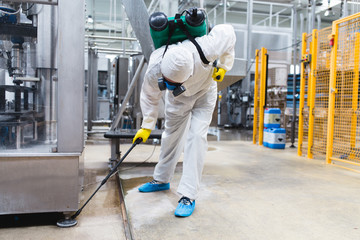
Effective commercial pest control involves a structured and strategic approach. The process usually begins with a detailed inspection of the property. Technicians examine both interior and exterior areas to identify signs of pest activity.
During the inspection, potential entry points such as cracks, gaps, and damaged seals are identified. Technicians also look for nesting areas, droppings, and other indicators of infestation.
After the inspection, a customized pest control plan is developed. The plan is designed based on the specific pest species, the severity of the infestation, and the layout of the building.
Treatment methods may involve targeted applications, traps, or monitoring systems. The goal is to eliminate pests while minimizing disruption to business operations.
Follow up monitoring ensures that the infestation has been resolved and that pests do not return. Regular inspections allow technicians to detect new activity early and respond quickly.
A comprehensive pest control process protects commercial spaces from recurring infestations and ensures long term results.
Preventative Pest Control Strategies for Businesses
Preventing pest infestations is often more effective than addressing problems after they occur. Businesses can take several steps to reduce the risk of pests entering their properties.
Maintaining cleanliness throughout the facility is essential. Food waste, crumbs, and spills should be cleaned promptly to avoid attracting insects and rodents. Trash containers should be sealed properly and emptied regularly.
Building maintenance also plays an important role in pest prevention. Cracks in walls, damaged doors, and gaps around windows can provide entry points for pests. Sealing these openings helps prevent unwanted access.
Proper storage practices reduce the likelihood of infestations. Food products should be stored in sealed containers and kept off the floor. Organized storage areas make it easier to detect pest activity.
Outdoor maintenance is equally important. Landscaping should be trimmed away from the building to eliminate hiding places for pests. Standing water should be removed to prevent mosquitoes and other insects from breeding.
Implementing these preventative measures reduces the risk of pest problems and supports long term control efforts.
Health and Safety Benefits of Commercial Pest Control
Pests can pose serious health risks in commercial environments. Many insects and rodents carry bacteria and pathogens that contaminate food and surfaces. This contamination can lead to foodborne illnesses and other health concerns.
For businesses in the food service industry, pest control is especially critical. Health inspections often focus on signs of pests, and violations can lead to fines or closures.
Rodents and insects can also trigger allergic reactions or respiratory problems. Cockroach allergens, for example, are known to aggravate asthma symptoms.
Beyond health concerns, pests can create safety hazards. Rodents that chew on electrical wiring increase the risk of fires. Termites weaken structural components, which may compromise building stability.
Commercial pest control helps protect employees, customers, and property by eliminating these hazards. Maintaining a pest free environment demonstrates a commitment to safety and professionalism.
Choosing Professional Commercial Pest Control Services
Selecting the right pest control provider is an important decision for any business. Experienced professionals understand the unique challenges associated with commercial properties.
Professional pest control services offer customized plans tailored to each business. They consider factors such as building size, industry requirements, and potential pest risks.
Technicians use specialized tools and treatments designed for commercial environments. These solutions are applied carefully to ensure effectiveness while maintaining safety for employees and customers.
Another advantage of professional services is ongoing monitoring. Regular inspections allow businesses to stay ahead of potential infestations and maintain consistent protection.
Working with experienced professionals provides peace of mind and ensures that pest control efforts remain effective over time.
Conclusion: Protecting Businesses Through Effective Pest Control
Commercial pest control is essential for maintaining a clean, safe, and professional business environment. Pests not only damage property but also threaten health, disrupt operations, and harm a company’s reputation.
By implementing preventative measures and working with experienced pest control professionals, businesses can reduce the risk of infestations and maintain compliance with health standards.
A well managed pest control program protects employees, customers, and property while supporting the long term success of the business. Investing in commercial pest control is not just about eliminating pests. It is about safeguarding the integrity and reputation of the workplace.